
VOLUNTEER!
Loading…
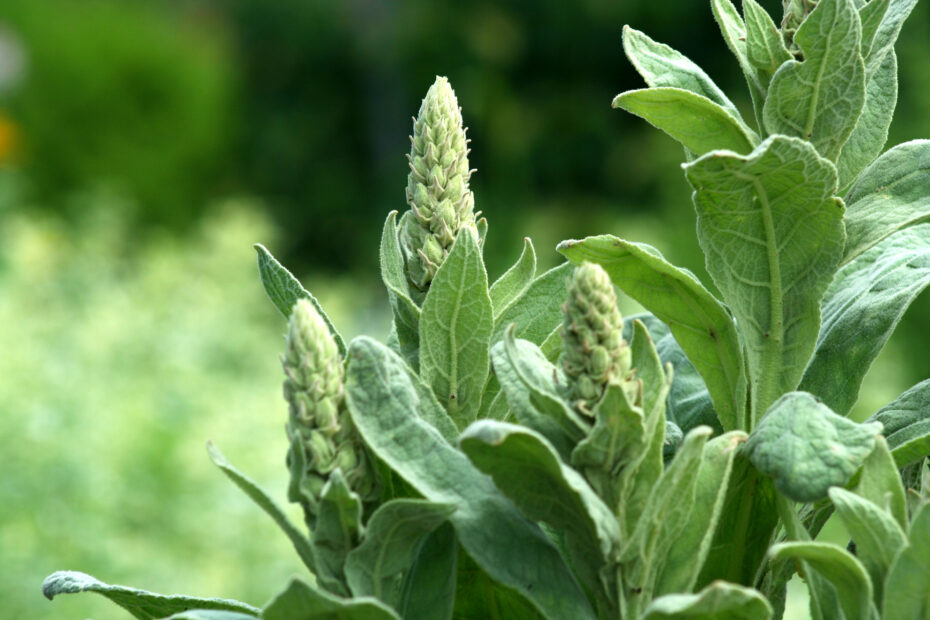
WHAT IS REPRODUCTIVE DIAPAUSE
Reproductive diapause refers to a temporary cessation of reproduction in certain species of animals and insects. This phenomenon occurs in response to environmental cues such as food availability, temperature, and… Read More »WHAT IS REPRODUCTIVE DIAPAUSE
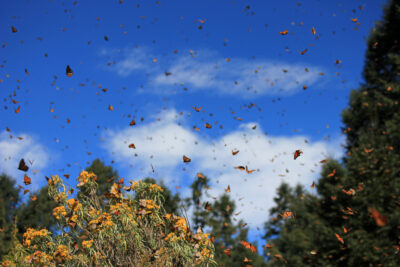
WHAT IS OVERWINTERING
Overwintering refers to the survival strategies employed by plants, insects, and animals during the winter season, when temperatures are low and food availability is limited. For plants, overwintering strategies include… Read More »WHAT IS OVERWINTERING
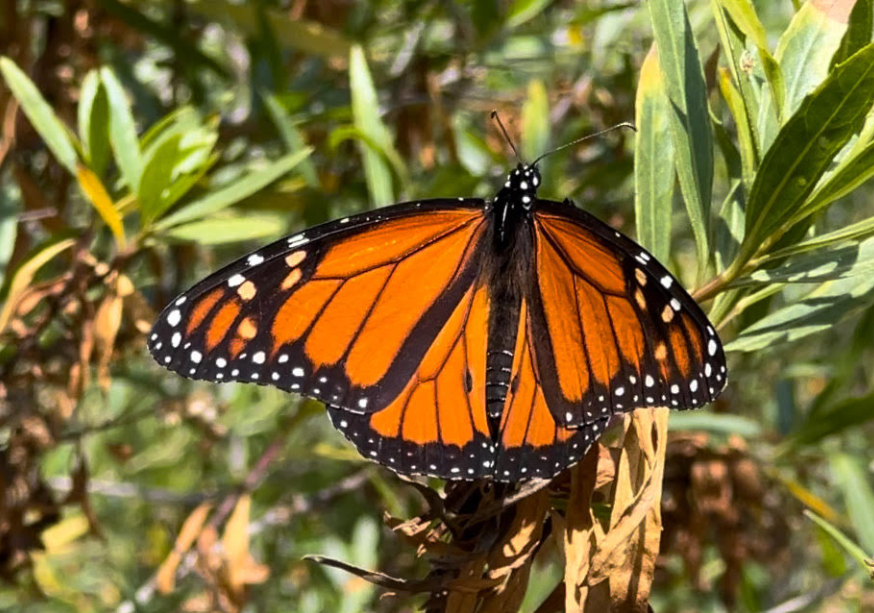
WHY MONARCHS?
‘Cause they’re awesome!? The Monarch Butterfly is the poster child for biodiversity. Because they are so sensitive to changes in their ecosystems, scientists use butterfly populations and their behavioral shifts… Read More »WHY MONARCHS?
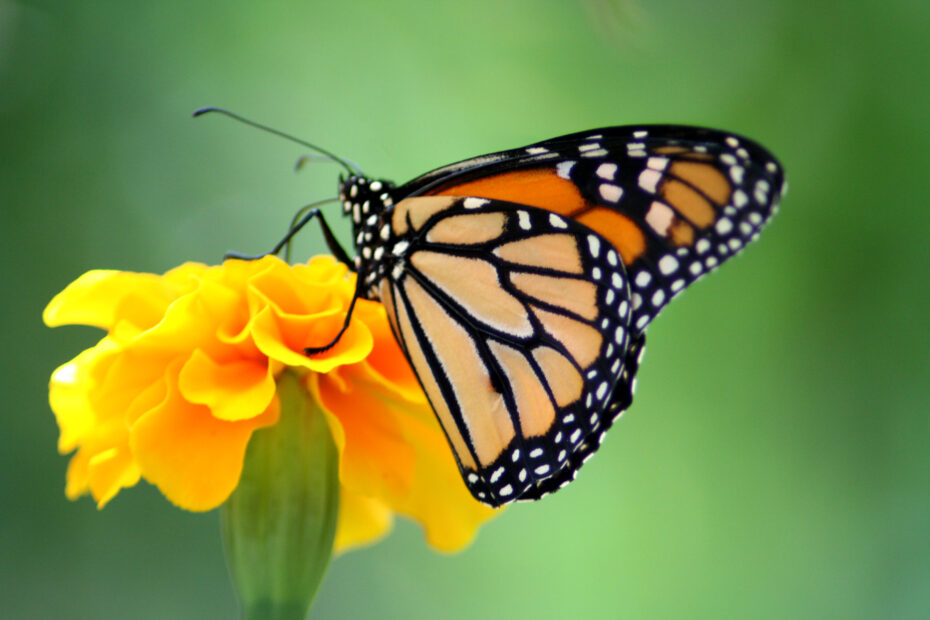
ALL ABOUT MONARCHS
Monarch butterflies live and breed throughout North America feeding on milkweed their favorite host plant. Monarch butterflies live primarily in meadows, grasslands and along roadsides, throughout North America. While most monarchs… Read More »ALL ABOUT MONARCHS
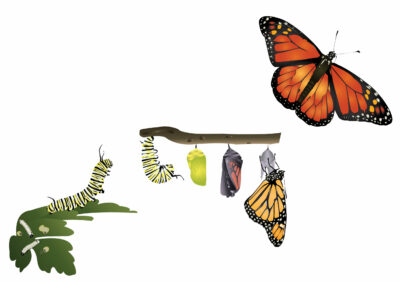
LIFE CYCLE
The monarch butterfly has four distinct life stages: egg, larva (caterpillar), pupa (chrysalis), and adult. Source: Monarch Watch The Migration takes multiple Generations That’s right. Monarch migration happens over “generations”… Read More »LIFE CYCLE
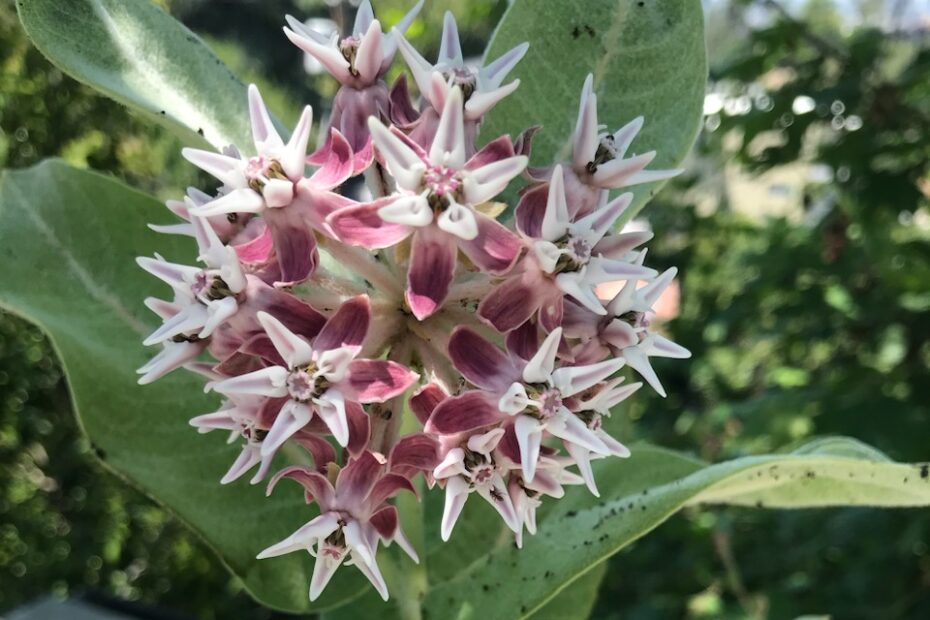
WHAT DO MONARCHS EAT?
Southern California is home to a diverse range of native plants that are suitable for monarch butterflies, and in this article, we will discuss some of the best options. Milkweed… Read More »WHAT DO MONARCHS EAT?
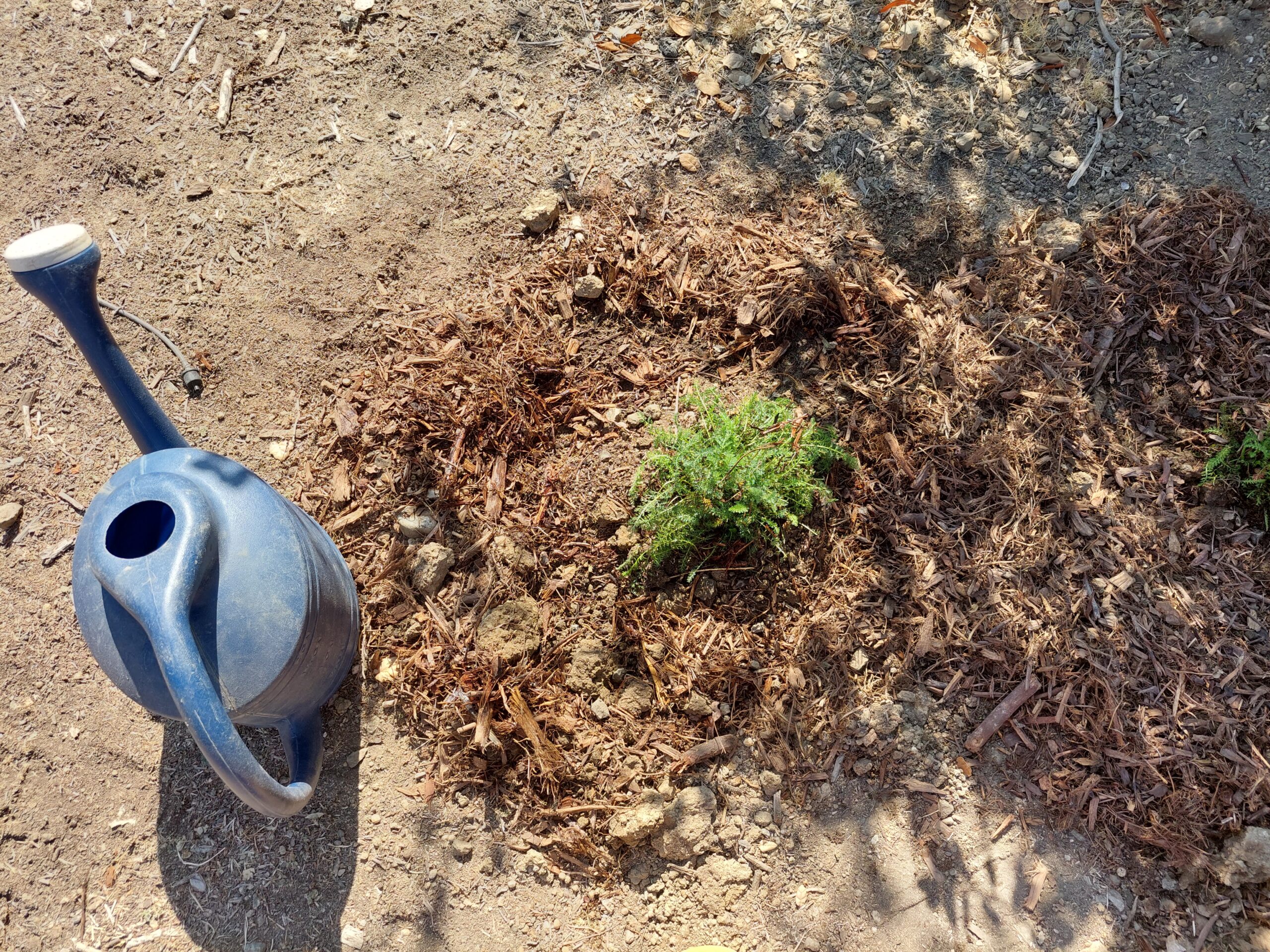
THE PROJECT
Project Creator, Laura Velkei While we’ve moved into a new phase and a new location, we leave with a sense of sadness but also with hope. We are incredibly grateful… Read More »THE PROJECT
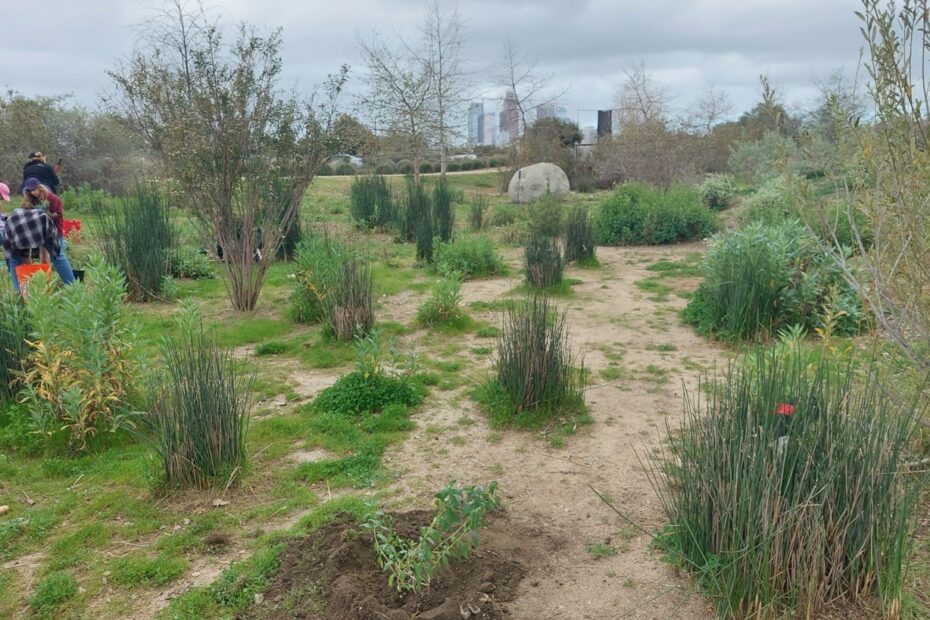
PROTECT OUR PARKS
Our public parks and spaces are for public use and enjoyment. They are also becoming increasing more critical in re-establishing biodiversity. State and local parks provide opportunities for outdoor recreation,… Read More »PROTECT OUR PARKS